Supply Chain Squeeze: Early yield challenges with next-generation HBM4 architecture are tightening global supply even further, forcing hardware manufacturers to scramble for legacy DRAM and alternative memory solutions ahead of 2027 shortfalls (SeekingAlpha).
- BlackRock & Fidelity are quietly buying into a new class of coins.
- Ethereum-linked tech + a tiny altcoin = potential triple‑up.
- Juan's model: double-digit winners since 2012.
While the semiconductor shortage presents a massive opportunity for chipmakers, the physical manifestation of the AI boom—data centers—requires massive amounts of electricity, grid modernization, and cooling infrastructure. This brings the narrative directly to the doorstep of the equity ticker HBM: Hudbay Minerals Inc., a primary beneficiary of the electrification supercycle.
Operational Performance and Financial Highlights
Hudbay Minerals has recently completed a transitional phase, shifting from an indebted, capital-intensive developer into a highly optimized, cash-flowing operator. The company's second-quarter 2026 earnings report, released in late July, painted a picture of robust cash conversion despite minor logistical headwinds.
Gold super cycle — Are you positioned?
From $37T debt to central-bank buying, the setup could be historic. Read Ross Givens’ three stealth reports now.
Q2 2026 Earnings and Margin Expansion
The second quarter of 2026 served as a pivotal proof-of-concept for Hudbay’s diversified operating portfolio across Canada and Peru. The company demonstrated an ability to generate substantial free cash flow driven by elevated metal prices and stringent cost controls.
The core financial metrics from the most recent reporting period underscore this operational leverage:

Free book + step-by-step guides. 72‑hour special. No travel required to claim Irish citizenship.
Top and Bottom Line Growth: Hudbay reported Q2 2026 revenues of $631.3 million, an impressive 17.7% year-over-year increase from $536.4 million in Q2 2025. Net income surged to $138.1 million (or $0.34 per basic share), up from $114.7 million in the prior year (StockTitan). Adjusted Profitability: The company posted adjusted net earnings of $114 million ($0.28 per share), which handily beat analyst consensus EPS (Earnings Per Share, a company's net profit divided by outstanding shares) estimates of $0.26 to $0.27 per share. Adjusted EBITDA (Earnings Before Interest, Taxes, Depreciation, and Amortization, a measure of core operational profitability) came in at $321.2 million for the quarter (GlobeNewswire). Trailing Twelve-Month (TTM) Records: Following the Q2 results, Hudbay achieved a record TTM adjusted EBITDA of $1.3 billion, showcasing the sustained profitability of its operations over a complete annual cycle (Investing.com).
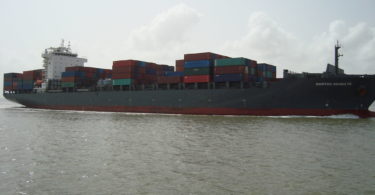
While the EPS figure provided an earnings beat, total revenue of $631.3 million technically missed Wall Street's $652 million consensus. However, a deep dive into the operational footnotes reveals this was not a structural demand failure, but rather a meteorological anomaly. Severe ocean swells along the coast of Peru resulted in temporary port closures, delaying the shipment of approximately 10,000 dry metric tonnes of copper concentrate—a partially refined product where waste rock is removed to increase the copper grade from roughly 0.5% to about 25%—much like making frozen orange juice concentrate to reduce shipping volumes before final smelting. This inventory was ultimately delivered in early July 2026, meaning the deferred revenue will simply shift into the Q3 2026 earnings report rather than being lost (GlobeNewswire).
Distributed Granularity: The Legacy Assets Portfolio
Hudbay's cash engine relies heavily on three distinct operational nodes across the Americas, each exhibiting unique financial characteristics:
Constancia (Peru): The flagship asset, expected to maintain a mine life until 2040 following recent permit amendments allowing mill throughput to exceed 90,000 tonnes per day [cite: 14, 15]. In Q1 2026, the Peru operations produced 20,573 tonnes of copper, 8,770 ounces of gold, and 531,199 ounces of silver [cite: 15]. Three-year production guidance points to 87,500 tonnes of copper annually, operating at a highly competitive consolidated cash cost of $(0.30) to $(0.10) per pound of copper [cite: 15]. Snow Lake (Canada): Located in Manitoba, this gold-zinc-copper hub has secured a four-year mine life extension to 2041 [cite: 15]. Cash costs for gold in Q1 2026 were an exceptionally low $408 per ounce, effortlessly outperforming the company's full-year guidance range of $500 to $800 per ounce due to elevated by-product pricing [cite: 15]. Copper Mountain (Canada): A recently integrated asset in British Columbia, its mine life has been extended to 2045 following amended permits for the New Ingerbelle expansion [cite: 15, 16]. Expected to ramp up mill throughput to 50,000 tonnes per day by mid-2026, the mine produced 4,821 tonnes of copper in Q1 2026 at a cash cost of $2.41 per pound of copper (comfortably inside the $1.50 to $2.50 annual guidance range) [cite: 15, 17].
Cash Costs and By-Product Economics
One of Hudbay's primary competitive advantages is its polymetallic nature. The company does not simply mine copper; it extracts significant quantities of gold, silver, and zinc alongside its base metals. These are known as by-product credits, and they play a critical role in driving down the core cost of copper production.
In Q2 2026, gold accounted for a massive 38% of Hudbay’s gross revenues (TipRanks). Because gold is treated as a by-product, the revenue generated from its sale is subtracted from the cost of producing copper. This dynamic allowed Hudbay to achieve a consolidated cash cost of negative $0.40 per pound of copper during the quarter, with sustaining cash costs resting at a highly competitive $1.39 per pound (Investing.com). Year-to-date cash costs for the first half of 2026 were an astonishing negative $1.00 per pound, prompting management to actively improve their full-year 2026 cash cost guidance to a range of negative $0.45 to negative $0.25 per pound.
Capital Structure, Leverage, and Debt Maturities
The most compelling pillar of the Hudbay Minerals investment thesis in 2026 is the dramatic transformation of its capital structure. Mining is inherently a capital-intensive business, and operators frequently find themselves burdened with high-interest debt that threatens equity value during commodity downcycles. Hudbay has aggressively neutralized this risk.
The Eradication of Net Debt
Through a combination of organic free cash flow generation and strategic partnerships, Hudbay has transitioned from a highly leveraged entity to possessing a fortress balance sheet. At the end of Q4 2025, the company carried roughly $439.7 million in net debt. By the end of Q2 2026, Hudbay reported a net cash position of $80.5 million (Hudbay Minerals).
This deleveraging was facilitated through a multi-pronged approach during the first half of 2026:
Operating Cash Flow: Hudbay generated more than $100 million in free cash flow during Q2 alone, bringing its trailing twelve-month free cash flow to over $400 million (Investing.com). Operating cash flow before working capital changes stood at $210 million for the quarter. The Mitsubishi Capital Injection: In January 2026, Hudbay closed a highly accretive joint venture with Mitsubishi Corporation. Mitsubishi paid $420 million upfront for a 30% stake in the Copper World project, with a commitment for an additional $180 million within 18 months, plus a pro-rata share of future capital expenditures (GlobeNewswire). This effectively outsourced a massive portion of Hudbay's growth funding requirements while immediately flooding the balance sheet with cash. Strategic Maturity Management: On April 1, 2026, Hudbay decisively addressed its largest near-term liability. The company repaid the outstanding $472.5 million of its 4.50% senior unsecured notes upon maturity. This was achieved using a blend of cash on hand and a $272 million draw on its low-cost revolving credit facility (Hudbay Minerals).
By swapping high-yield unsecured notes for a lower-cost revolver draw and backing it with organic cash flow, the company drove its net debt-to-adjusted EBITDA ratio down to -0.1x—the lowest leverage profile the company has achieved in over a decade (TipRanks).
Liquidity and Coverage Ratios
As of June 30, 2026, Hudbay's total liquidity profile exceeds $1.04 billion. This war chest is comprised of $890.9 million in cash and cash equivalents (which includes $334.5 million contractually restricted for the Copper World LLC joint venture) alongside $153.7 million in undrawn availability under its revolving credit facilities (Hudbay Minerals).
From a coverage standpoint, the company's financial flexibility is exceptional. Total long-term debt sits at $860.2 million, heavily weighted toward low-cost municipal bonds (having recently issued $52 million of 4.50% solid waste disposal revenue bonds with a mandatory tender date of 2036) and its secured revolver. Given the TTM adjusted EBITDA of $1.3 billion, interest coverage ratios are well above the 3.0x covenant requirements stipulated by S&P Global Ratings, ensuring absolute compliance and unencumbered financial mobility heading into the back half of the decade (S&P Global Ratings).
Strategic Growth Pipeline: Copper World and Arizona Sonoran
While the legacy assets in Peru (Constancia) and Canada (Snow Lake, Copper Mountain) provide the cash flow engine, the investment thesis for HBM is heavily weighted toward its transformation into a premier United States copper supplier.
The Copper World Joint Venture
Located in Pima County, Arizona, Copper World is one of the highest-grade open-pit copper projects in the Americas, boasting proven and probable mineral reserves of 385 million tonnes at 0.54% copper. The project is fully permitted and is on track for a final sanctioning decision later in 2026 [cite: 15, 18].
The aforementioned $600 million joint venture with Mitsubishi validates the asset's tier-one status. Mitsubishi is not a passive financier; it is one of the largest Japanese trading houses with deep roots in global mining, holding investments in five of the top twenty copper mines globally (Sullivan & Cromwell). By securing a premier strategic partner, Hudbay drove the expected project Internal Rate of Return (IRR) on a levered basis to an astonishing 90% (Hudbay Minerals).
Capital Expenditure Requirements & Project Timeline: Based on pre-feasibility study (PFS) estimates, the initial direct capital investment for Phase I of Copper World is slated between $1.3 billion and $1.5 billion, prior to equipment financing [cite: 18, 19]. S&P Global Ratings analysts estimate this figure may reach closer to $2.0 billion due to ongoing inflationary pressures in materials and labor [cite: 20]. When factoring in precious metal stream deposits and joint venture partner contributions, Hudbay's remaining out-of-pocket CapEx represents a manageable fraction of that total [cite: 18]. To maintain momentum, Hudbay allocated $135 million in growth capital expenditures specifically for 2026 to fund the definitive feasibility study (DFS), de-risking activities, and long-lead items [cite: 21, 22]. With the DFS slated for completion in mid-2026 and a formal project sanctioning expected by late 2026, the company is laying the groundwork for heavy construction to follow [cite: 18, 21].
The Cactus District Consolidation
In a maneuver to achieve true district-scale dominance, Hudbay closed the acquisition of Arizona Sonoran Copper Company (ASCU) on June 24, 2026. This transaction brought the highly complementary Cactus project into Hudbay's portfolio.
The integration of these two neighboring Arizona assets fundamentally shifts Hudbay's growth trajectory:
Deal Mechanics: The acquisition was executed as an all-share plan of arrangement. ASCU shareholders received 0.242 of a Hudbay common share for each ASCU share held. In total, Hudbay issued 46,794,082 new common shares to close the transaction, valuing the exploration property at roughly $1.35 billion (StockTitan). Operational Synergies: Developing Cactus alongside Copper World unlocks significant regional efficiencies. Management anticipates $5 to $10 million in annual corporate synergies simply by sharing resources, shifting Copper World's construction teams over to Cactus upon completion, and utilizing excess sulfuric acid from Copper World to support oxide ore leaching at Cactus—a chemical process where a weak acid solution is trickled over crushed ore to dissolve the copper into a liquid solution, conceptually identical to hot water trickling through coffee grounds to extract the active ingredients (Zacks via TradingView). Scale and Geopolitics: Together, Copper World and Cactus form the third-largest copper district in North America. This provides a clear roadmap to scale Hudbay's annual copper production from approximately 125,000 tonnes currently to over 250,000 tonnes by 2030, and eventually over 350,000 tonnes upon the staged development of Cactus (North American Mining). Furthermore, because Cactus is designed to produce refined copper cathode domestically, Hudbay aligns perfectly with U.S. government mandates to secure critical mineral supply chains independent of adversarial nations.
Valuation Analysis and Equity Multiples
Despite the massive fundamental improvements to the balance sheet and the aggressive expansion of its asset base, Hudbay Minerals remains reasonably valued relative to its historical ranges and the broader metals and mining sector.
Price-to-Earnings and Enterprise Multiples
Evaluating mining equities requires a blend of trailing metrics (to assess current cash flow stability) and forward multiples (to account for cyclical commodity fluctuations and project ramps).
P/E Ratios: As of August 2026, HBM trades at a trailing Price-to-Earnings (P/E) ratio of approximately 17.0x to 17.28x. Looking ahead, the forward P/E ratio compresses slightly to 15.9x, driven by expectations of 19.6% earnings growth moving into the next fiscal year (Stock Analysis). This represents a fair value configuration; for context, HBM is trading at a discount to the broader US Metals and Mining industry average, which currently sits at approximately 21.5x earnings (Simply Wall St). Why the Discount Exists: The structural market discount placed on Hudbay's shares is primarily driven by three factors: 1) The ongoing geographic and jurisdictional risks associated with its flagship Constancia mine operating in politically volatile Peru; 2) The recent ~10% equity dilution penalty absorbed by investors to fund the ASCU acquisition; and 3) The inherent execution risks attached to bringing massive unbuilt projects like Copper World online [cite: 15]. EV/EBITDA Methodology Variance: The EV/EBITDA (Enterprise Value to EBITDA, a valuation multiple comparing a company's total value to its cash earnings) metric provides a clearer picture of valuation by accounting for Hudbay's unique net-cash position. Depending on the aggregation methodology, HBM's EV/EBITDA ranges from 11.5x up to 16.7x (ValueInvesting.io). When compared against a 5-year historical average where HBM typically operated at a median EV/EBITDA of ~5.9x to 6.2x, the current multiple represents a premium (Investing.com). However, this premium is easily justified by the structural transition from a debt-laden balance sheet to a net-cash position, alongside the de-risking of the US growth pipeline. Cash Flow Multiples: Hudbay trades at a Price-to-Operating Cash Flow (P/OCF) ratio of roughly 15.5x, and a Price-to-Free Cash Flow (P/FCF) multiple of 45.5x (Stock Analysis). It is critical to note that mining P/FCF multiples are often optically inflated during heavy growth phases, as sustaining and expansionary CapEx aggressively suppresses the free cash flow denominator.
Ultimately, HBM's valuation sits in a transitional gray area. It is no longer the deeply discounted value play it was three years ago, but it has not yet achieved the premium multiples granted to senior, tier-one global copper producers. Execution at Copper World remains the primary catalyst for a structural re-rating.
Dividend Policy, History, and Yield
For institutional fund managers or retail investors screening for yield, Hudbay Minerals presents a definitive reality: this is a capital appreciation equity, not an income vehicle.
Yield Metrics and Payout Mechanics
Hudbay maintains an active dividend policy, but the distributions are essentially tokenistic. The company pays an annual dividend of CAD 0.022 (approximately USD 0.02) per share, distributed in semi-annual installments of CAD 0.01 per share. The most recent declaration set an ex-dividend date of September 8, 2026, with a payment date of September 25, 2026 (Simply Wall St).
The resulting dividend yield is microscopic:
Yield Range: The forward dividend yield fluctuates between 0.05% and 0.11% depending on daily price action, sitting vastly below the Metals and Mining industry average of roughly 2.7% (Simply Wall St). * Coverage and Payout Ratios: Because FFO and AFFO are metrics bespoke to the real estate industry (REITs), cash flow sustainability in the mining sector is measured against Operating Cash Flow and Free Cash Flow. Hudbay’s payout ratio is exceptionally conservative, consuming just 1.5% of adjusted earnings and a mere 2.6% of free cash flow (DividendStocks.cash).
The Rationale for a Micro-Dividend
If the dividend is so small, why maintain it at all? The 0.05% yield serves a structural purpose in capital markets. Many large-scale institutional mutual funds, pension funds, and ETFs operate under strict charter mandates requiring them to exclusively hold “dividend-paying equities.” By maintaining a token CAD 0.02 annual payout, Hudbay Minerals ensures its stock remains eligible for inclusion in these massive institutional portfolios, thereby preserving liquidity and supporting the share price. Management has made it explicitly clear that excess free cash flow will be aggressively deployed toward debt reduction and the advancement of the Arizona growth projects, rather than shareholder distributions (SeekingAlpha).
Risks, Red Flags, and Open Questions
Despite the euphoric narrative surrounding the net-cash balance sheet and the Arizona district consolidation, an equity analysis is incomplete without a rigorous examination of the downside risks. Hudbay faces several distinct vulnerabilities that warrant close monitoring.
1. Dilution and Integration Risk
The acquisition of Arizona Sonoran was funded entirely through the issuance of 46.79 million new Hudbay shares, effectively diluting the existing shareholder base by nearly 10% (StockTitan). While the long-term regional synergies are compelling on paper, the burden of proof rests on management to seamlessly integrate the Cactus project without cost blowouts. If inflationary pressures push the capital expenditure requirements for Copper World and Cactus significantly above pre-feasibility estimates, the company may be forced to tap the equity markets again, risking further shareholder dilution.
2. Extreme Sensitivity to By-Product Commodities
Hudbay’s celebrated negative cash costs (-$0.40 per pound of copper) are entirely dependent on robust pricing for gold and silver. In Q2 2026, when the high-grade Pampacancha gold stockpile was depleted, cash costs in Peru instantly spiked to $1.66 per pound due to lower gold credits and higher fuel costs (TipRanks). Furthermore, cash costs for the standalone Manitoba gold operations sat at an elevated $776 per ounce. If the macroeconomic environment triggers a steep correction in precious metal prices, Hudbay’s copper margins will compress violently, evaporating the “industry-leading cost structure” narrative overnight.
3. Logistical and Weather Vulnerabilities
The Q2 2026 revenue miss ($631M actual vs. $652M estimate) was directly attributed to ocean swells closing ports in Peru, delaying 10,000 tonnes of concentrate (GlobeNewswire). While this specific event was temporary and rectified in July, it exposes the fragility of a global supply chain highly dependent on maritime logistics and increasingly volatile weather patterns. Mining is only profitable if the product can physically reach the buyer.
4. Permitting and Regulatory Open Questions
The single largest catalyst—and risk—for Hudbay over the next 12 months is the final sanctioning decision for the Copper World project. While management maintains that the project is fully permitted at the state level, the history of domestic copper mining in the United States proves that environmental litigation, NGO (Non-Governmental Organization, typically non-profit advocacy or environmental groups) opposition, and federal regulatory shifts can stall tier-one assets indefinitely.
Case Study: The Regulatory Threat in Domestic Mining To understand the gravity of regulatory risk in the U.S., one must examine the legal gridlock plaguing peers in the same region. The Rosemont Copper Mine (the predecessor project to Hudbay's Copper World) previously faced five years of grueling litigation on environmental grounds before being ultimately blocked; a federal judge overturned its 2017 approval based on the scope of the National Environmental Policy Act (NEPA) and the 1872 Mining Law, rejecting the right to place waste materials on federal claims without validating mineral deposits beneath them [cite: 23, 24, 25].
Similarly, Rio Tinto and BHP's Resolution Copper project in Arizona—capable of supplying a quarter of U.S. demand—has been trapped in legal limbo. Most recently, on August 18, 2025, the 9th Circuit Court issued a temporary injunction blocking a crucial land transfer just one day before its scheduled completion, yielding to challenges from the San Carlos Apache Tribe and conservationists over the Oak Flat Withdrawal area [cite: 24, 26, 27]. Given these precedents, investors must treat the “2026 sanctioning decision” for Copper World as an open question until the earth is physically moving.
Conclusion
Hudbay Minerals Inc. (HBM) presents a fundamentally asymmetrical risk-to-reward profile for the equity investor. The macroeconomic tailwinds are firmly in place: the proliferation of AI infrastructure and the green energy transition guarantee a structural baseline of demand for North American copper.
Financially, management has executed a masterclass in capital structuring, eradicating net debt and bringing on Mitsubishi to subsidize growth. While the dividend is functionally non-existent and execution risks loom over the ambitious Arizona buildout, Hudbay possesses the cash flow, the liquidity, and the geological assets to effectively double its production capacity by the end of the decade. For investors willing to accept the inherent volatility of commodity markets and the complete absence of a yield buffer, HBM stands as a premier vehicle for capitalized copper exposure.
Sources: 1. canadianminingjournal.com 2. gluons2galaxies.com 3. weissratings.com 4. danelfin.com 5. siemens.com 6. yobitel.com 7. ersaelectronics.com 8. reddit.com 9. biggo.com 10. siliconanalysts.com 11. wordpress.com 12. futunn.com 13. 247wallst.com 14. miningdataonline.com 15. hudbayminerals.com 16. miningdataonline.com 17. hudbayminerals.com 18. hudbayminerals.com 19. taiwannews.com.tw 20. spglobal.com 21. hudbayminerals.com 22. fool.com 23. ifp.org 24. resolutionmineeis.us 25. facebook.com 26. discoveryalert.com.au 27. northernminer.com
For informational purposes only; not investment advice.